
Aster and morning glory, and one gap already covered
The Old Farmer's Almanac, the trade source behind most modern birth-flower lists, names aster and morning glory as September's pair. This site's August birth flower page found why no single body ever fixed one official birth-flower list, unlike birthstones, which trace to a documented 1912 trade convention: competing 19th-century floriography dictionaries assigned different flowers to the same months, and later trade lists absorbed more than one rather than picking a winner. That gap holds for September's pair too. February's birth-flower entry, built around violet and primrose, inherited the identical split from those same overlapping Victorian dictionaries.
What follows here goes past that argument, into the two plants themselves, which carry more specific history than "aster" and "morning glory" suggest on their own. December runs into the identical split: this site's December birth flower page pairs holly with narcissus rather than settling on a single bloom.
Aster: named for a star, then split away from most of its own genus
Aster comes directly from the Greek word for star, itself descended from a Proto-Indo-European root that also produced the English word star, according to the Online Etymology Dictionary. Greek and Roman gardeners used the name for the plant's flower heads, whose thin ray petals radiate out from a center in roughly the shape the word describes.
One version of the story behind that name involves the goddess Astraea. Astraea herself is a genuine classical figure: Hyginus and the astronomical poet Aratus both describe her living among mortals in an earlier, more virtuous age, then leaving earth as humanity turned cruel and becoming, in most tellings, the constellation Virgo. The detail tying her tears specifically to asters doesn't trace to Aratus, Hyginus, or any other classical source checked for this page. It reads instead like the kind of flower-myth embroidery that flourished during the same 19th-century floriography boom this site's August page traces the wider birth-flower tradition to, not an ancient account in its own right.
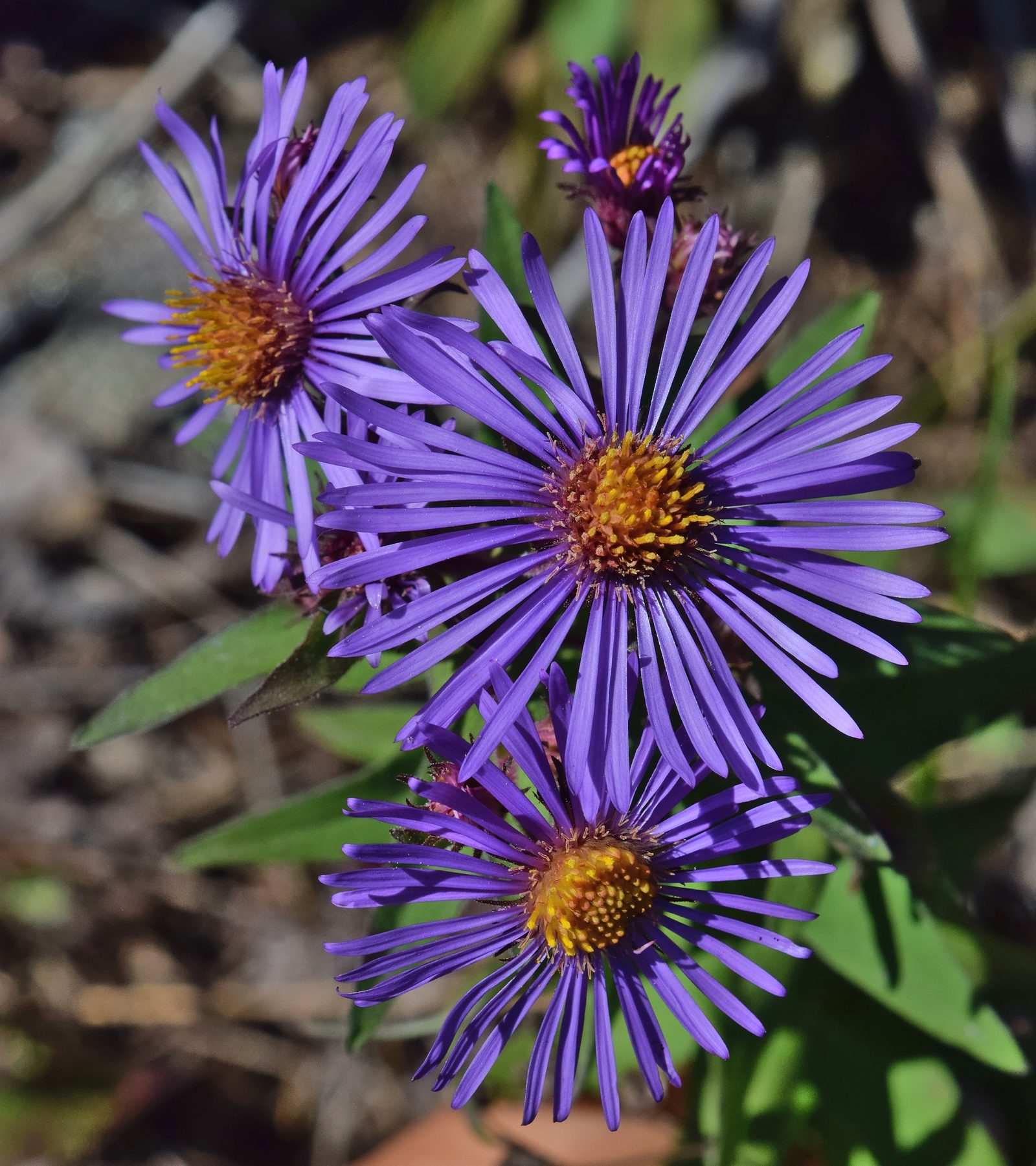
The bigger surprise sits in the plant's scientific name, not its myth. Most asters native to North America, including the New England aster (Symphyotrichum novae-angliae) that shows up on the American side of most birth-flower photo galleries, haven't been classified in genus Aster for three decades. American botanist Guy Nesom laid out the molecular and structural evidence behind the split in a 1994 taxonomic overview of the genus, then formally transferred hundreds of New World species into new genera over the following year, the largest share landing in Symphyotrichum, a name first proposed back in 1832 but rarely used until Nesom's work revived it. Kew's Plants of the World Online currently lists more than 100 accepted Symphyotrichum species, New England aster among them, while Old World species like Aster amellus kept the original genus name. "Aster" still works as a common name across both groups. The scientific one no longer does, for most of the plants sold as September's birth flower in the US.
Morning glory: a name about timing, and two different plants behind its ritual history
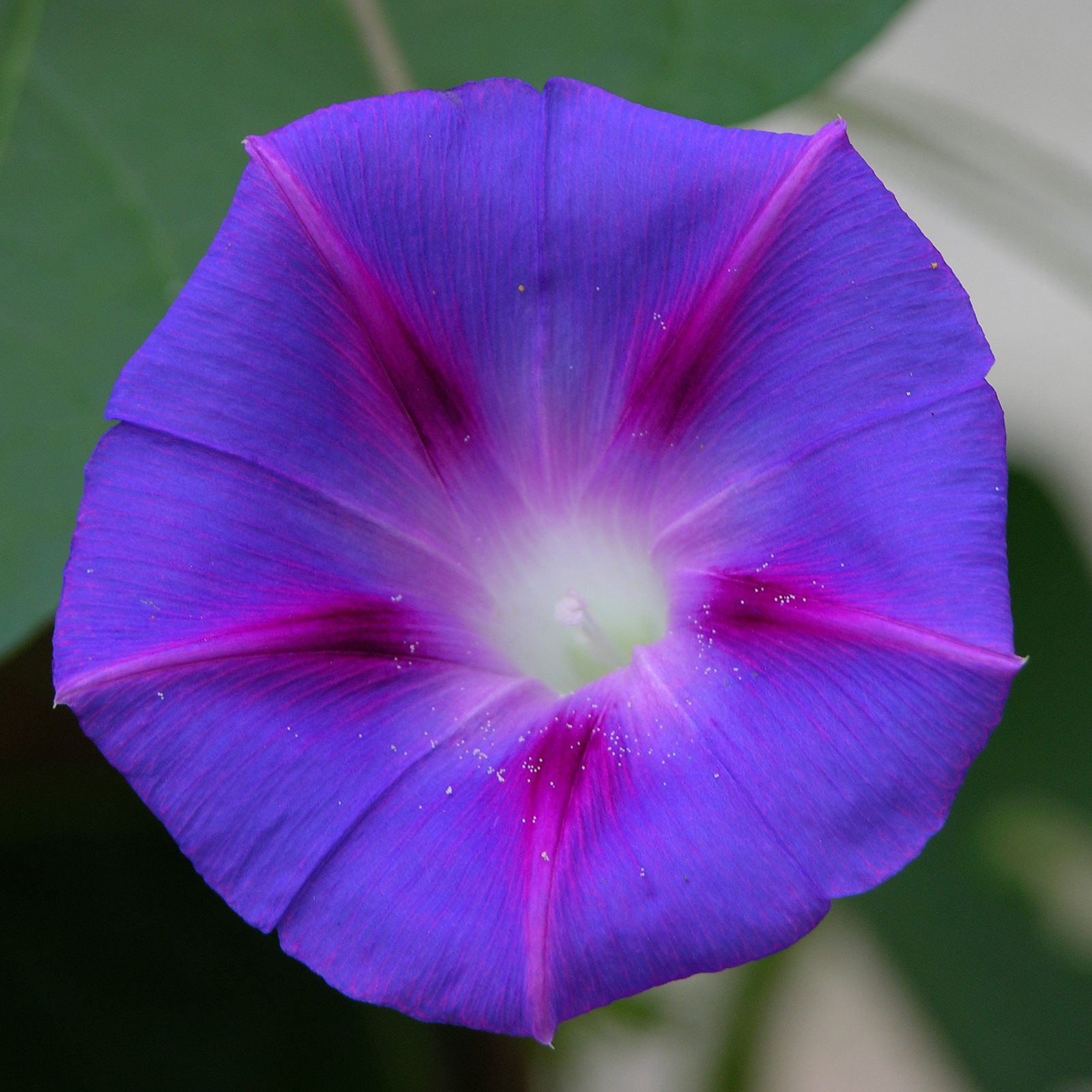
Morning glory's scientific name doesn't describe the flower at all. Ipomoea comes from two Greek words, ips ("worm") and homoios ("resembling"); North Carolina State University's Extension plant database traces the reference either to the genus's sprawling underground roots or to its worm-like twining growth habit, without settling on one over the other. The common English name covers the part the Latin skips: morning glory flowers unfurl fully at dawn and begin closing again by early afternoon, spent well before evening.
The vine sold at nurseries and pictured on most birth-flower lists is usually the common morning glory, Ipomoea purpurea, native to Mexico and Central America and now naturalized worldwide, aggressively enough that parts of the southeastern United States classify it as a noxious weed, not a garden plant.
That garden vine isn't the plant behind morning glory's other, older history. Aztec priests used the seeds of different morning glory relatives in religious divination, a practice recorded in Spanish colonial-era accounts of Aztec religious life. Ololiuqui, per Britannica, is the name recorded for what botanists currently classify as Ipomoea corymbosa, a plant long placed in its own genus, Turbina, and folded back into Ipomoea only as recently as 2020 on the strength of newer phylogenetic work. Tlitliltzin is a second plant that ethnobotanist R. Gordon Wasson identified as Ipomoea tricolor, an identification other researchers in the field, including Richard Evans Schultes, have disputed rather than confirmed. Both plants carry ergoline compounds structurally related to LSD, the reason for their ritual role. Both are also genuinely different species from Ipomoea purpurea, the common ornamental vine that carries morning glory's birth-flower symbolism today.

What the two flowers are said to mean, and one date that's still disputed
The Old Farmer's Almanac gives aster the reading of love, wisdom, patience, beauty, faith, friendship, and purity, and ties specific shades to narrower meanings: purple for royalty and wisdom, white for innocence, red for devotion and passion, pink for love and kindness. For morning glory, the Almanac's own framing centers on love, and specifically unrequited love, tied to a flower that closes again the same afternoon it opens. Other florist sources instead read the same vine as a symbol of affection and a fresh start, without the two readings settling on one interpretation.
Aster also shows up on some wedding-anniversary flower lists as the marker for a 20th anniversary, though not every list agrees; several give that slot to the daylily instead and list aster only as a secondary or alternate choice. As with the birth-flower assignments themselves, there's no single governing list settling which flower belongs to which year.
If your birthday falls in the back half of September
Aster and morning glory cover the whole month, but the zodiac sign attached to a September birthday changes partway through. In Western tropical astrology, Virgo holds the date through September 22; Libra picks up on September 23. Readers born in the first three weeks of September, or close enough to that boundary to wonder which side they land on, can check this site's Virgo dates page, which walks through why the exact boundary can shift by a day and what the same range looks like in two other systems.