
Traditional crystal, modern watches — one CPL row
Look up a 15 year anniversary gift traditional and modern pairing and most U.S. gift guides repeat the same two nouns: crystal and watches. That pairing comes from a materials-and-modern list compiled by librarians at the Chicago Public Library Information Center and later reprinted by outlets such as the Idaho Press and Butler Eagle. In that table, year 15 reads Crystal / Watches, with the traditional gift first and the modern gift second.
This calendar's fuller chart lives at anniversary gifts by year. Year-specific pages, like the 11th anniversary gift steel-versus-blank case, exist when a single year exposes a conflict or a blank cell. Year 15 is quieter: both columns are filled, and they simply name different object classes.
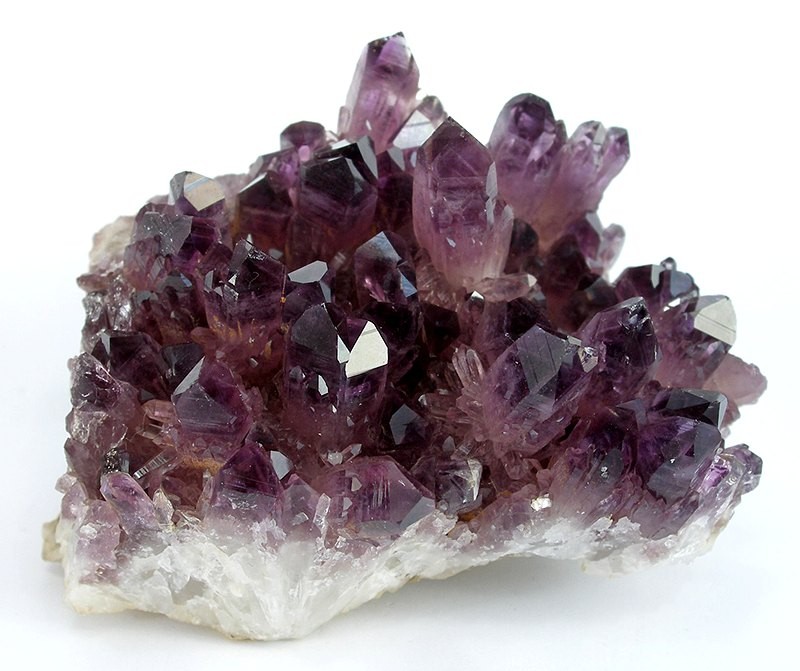
Crystal here means decorative or household crystal glass and cut crystal, not a demand that the gift be quartz mineral specimens. Watches means timepieces as the modern column's answer, not a claim that jewelers invented wristwatches for anniversaries in 1937.
Side-by-side: three answers for year 15
| List | Year 15 assignment | What the list is for | Source to check |
|---|---|---|---|
| US traditional materials (CPL compilation) | Crystal | Household / materials milestones | CPL list via Idaho Press reprint |
| US modern column (same CPL table) | Watches | Twentieth-century update beside materials | Same CPL compilation |
| Jewelry gemstone chart | Ruby | Gemstone marketing milestones | Jewelers of America anniversary guide |
For year 15 the actionable conflict for American shoppers is usually materials-versus-modern inside the CPL table, plus the separate ruby gemstone track, not a blank UK cell like year 11.
How to choose without pretending there is one official gift
If the couple already owns cut crystal or prefers not to store glass, the modern watches column is the list's alternative, not a lesser tier. If the shopping brief is jewelry, ruby is the gemstone-chart answer for year 15 and can sit beside either materials tradition. None of these lists is a statute. They are trade and library compilations that gift retailers copy.
Care notes differ by object: crystal glass chips; mechanical watches need service; rubies have their own toughness and treatment disclosures on gemological sites. Buy the object you mean, then cite the list you followed, instead of searching for a single government anniversary gift registry that does not exist.
What not to invent
Do not promote a year-15 story that invents a single founding committee for both crystal and watches. The CPL compilation itself cites late-twentieth-century reference works (1985–1997) rather than a law. Do not collapse ruby into the materials column; Jewelers of America's chart is a different document with different years filled for different reasons. When a retailer page mixes all three into one cell without saying which list it used, treat that cell as marketing, not as primary evidence.